Overview
The North Carolina Center for Resilience and Learning’s Full Coaching Model is how we spend the majority of our effort in partnership with schools across the state.
Our coaching model is a whole-school, whole-child framework that works with districts and schools to create trauma-informed learning environments that are safer and more supportive for ALL students.
The Center aims to build understanding and awareness about trauma, stress, and their potential impacts while also helping schools focus on resilience, support, and safety for their staff and students.
We have Program Managers spread from east to west, partnering with districts to provide this level of ongoing training and coaching support for two full years with partner schools.
The Details
Becoming a trauma-informed school is a journey, not a destination. It requires more than just a training session; it requires a fundamental shift in mindset and culture.
At the North Carolina Center for Resilience and Learning, we work side by side with districts and schools to create systems-level change. When we begin a new partnership with a school or district through our full coaching model, we commit to that school for two full school years with an assigned Resilience Coach local to their region.
By aligning our coaching with your specific goals and vision, we help school communities view student behavior through a new lens: the context of their life experiences and stress response systems.
Customized Alignment: We don’t believe in one-size-fits-all. Our coaching is tailored to align with your district’s existing goals, ensuring our work enhances your current vision for student success.
Mindset & Culture Shifts: We help staff move beyond surface-level behavior management. By understanding trauma history and triggers, educators can transform their approach to discipline and social-emotional learning (SEL).
Safer Classrooms: When educators understand the “why” behind a child’s response, they can create environments that are physically, socially, and emotionally safer for everyone.
Sustainability through Coaching: Intensive professional learning is paired with ongoing coaching to ensure these new perspectives take root and become the “new normal” for your school.
Our Professional Learning & Training
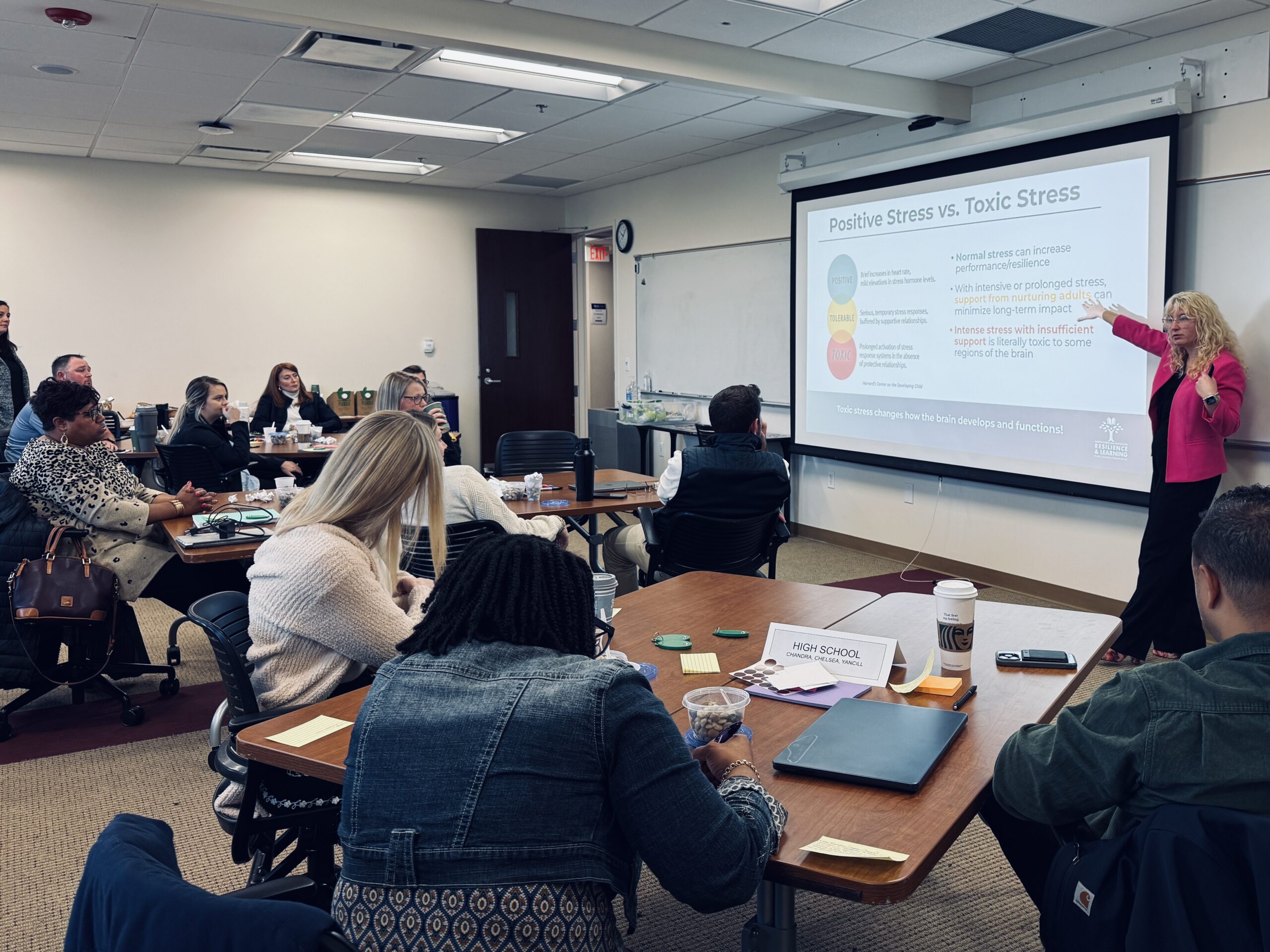
Our whole-school training provides condensed information to ALL staff in the building (administrators, student services staff, classroom teachers, teacher assistants, bus drivers, cafeteria staff, custodians, and all other support staff). This broad training fosters unifying language, understanding, and expectations to promote climate and culture change, and helps staff recognize the neurobiological foundations of students’ disruptive behaviors. Our training includes:
- Defining a trauma-informed school
- The research behind trauma and Adverse Childhood Experiences (ACEs)
- The impact of trauma on brain development
- Toxic stress and the stress response system – how stress and trauma often show up in the school setting
- Discussing resilience and resilience-building strategies for schools in the areas of:
- Staff wellness, both self-care and collective care
- Building relationships and connection
- Establishing structure and routines
- Self-regulation skill-building and social and emotional learning (SEL)
- Culturally responsive teaching practices
Our Coaching
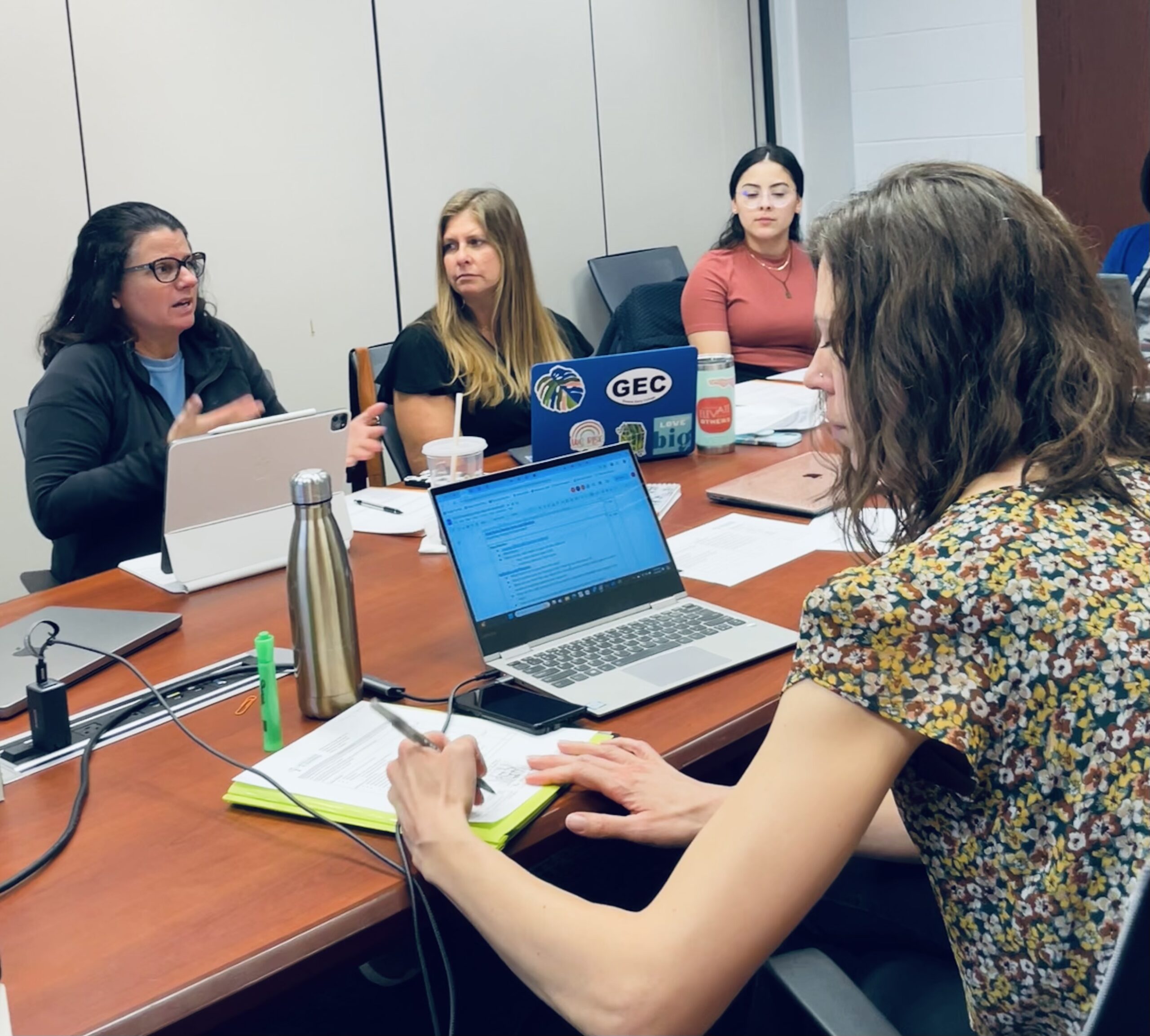
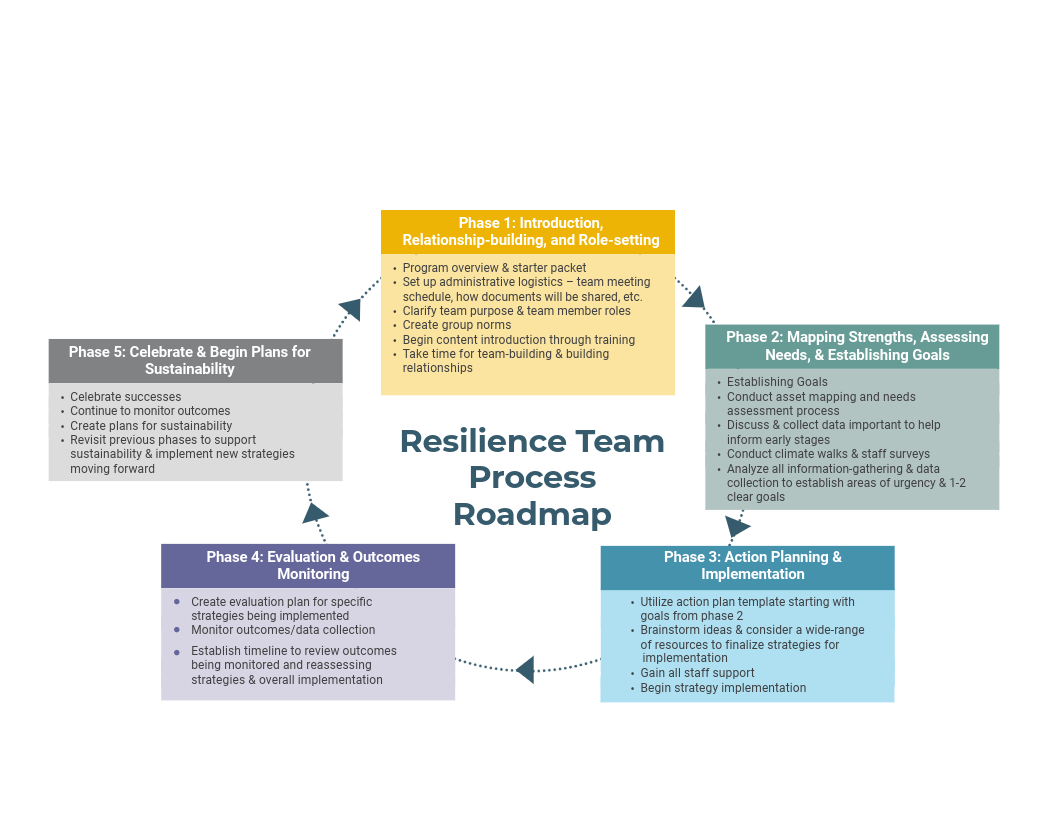
Across the year, a Center coach is present in each school every other week. After the initial staff training, the coach works with the principal to establish a steering committee, called a Resilience Team, composed of 5 to 10 staff members representing different positions and roles across the school.
The goal of the Resilience Team and the Center coach is to help take the trauma-informed work to the next level, beyond training and awareness, and to begin creating and implementing positive change. During the coach’s time in the school, he/she will observe school challenges and successes, meet with the Resilience Team, brainstorm solutions to emerging problems, coach problem-solving strategies, and provide implementation support. This coach provides access to resources and helps team members maintain their focus on the core principles of the Center.
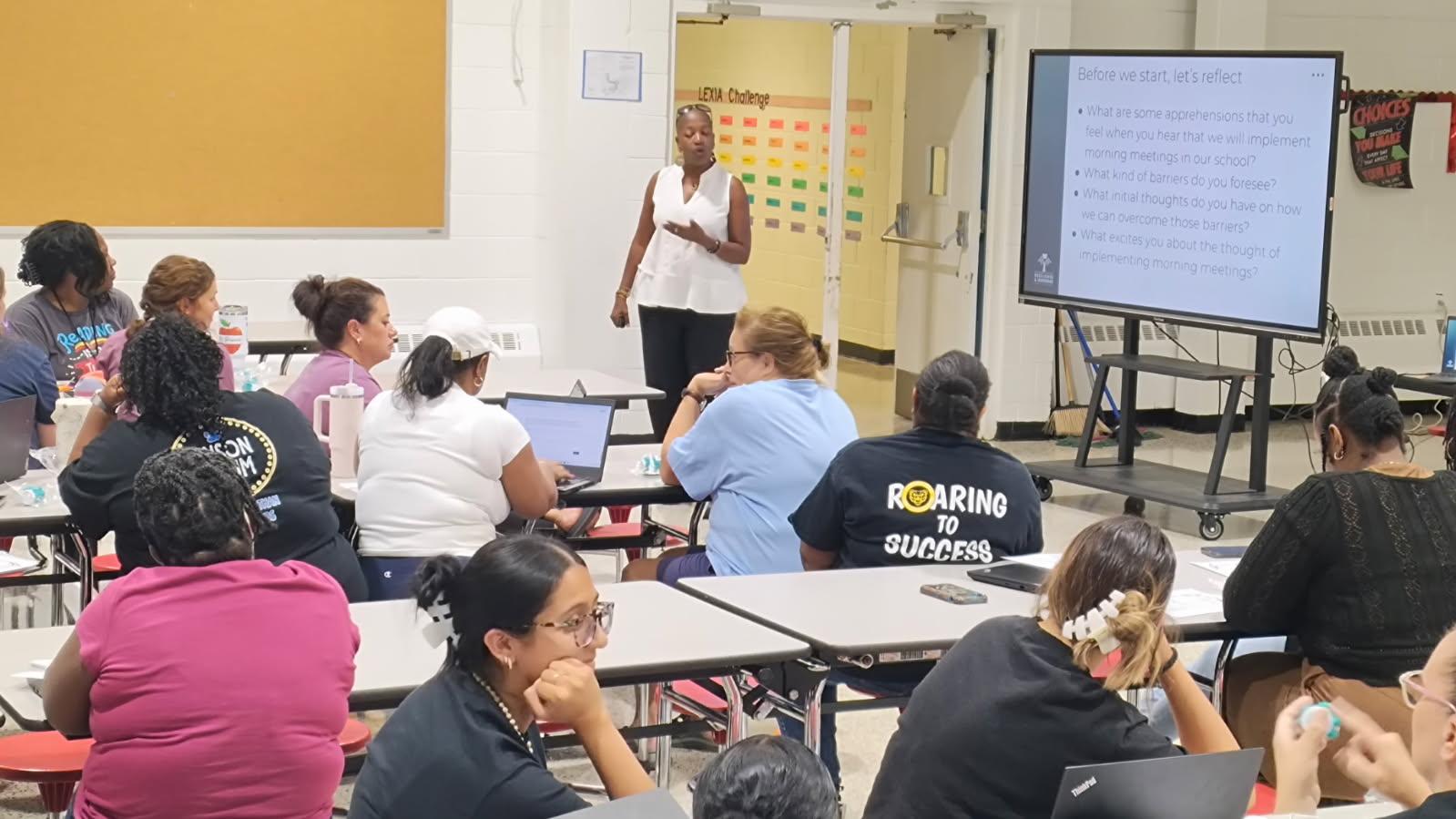
The Resilience Team begins considering their school-specific urgencies, which may include behavior, attendance, or achievement. The team then begins an action-planning process to select priority trauma-informed strategies to drive change. Examples of possible strategies include school-wide social-emotional learning curriculum, morning meetings, calm-down spaces, staff wellness lounge, a check-in/check-out program, or models targeting school climate and discipline, such as restorative practices. The coach works closely with this team to create, implement, and monitor their school-specific action plan.
The goal of this model is not to feel like “one more thing” for schools that already have so many programs, initiatives, and other requirements on their plate. The journey of becoming trauma-informed is all about creating a mindset shift in staff and a culture shift across the school so that everything the school does is done through a trauma-informed lens.